
Simplify a FIRE Portfolio: Cut Stress and Retire Faster
Building wealth for financial independence often starts with messy financial experiments. You might buy a rental property, sign up for several taxable brokerage accounts, and collect individual stocks along the way. Learning how to simplify a FIRE portfolio is the secret to reducing money stress and reaching early retirement sooner. When your investments are easy to manage, you spend less time tweaking spreadsheets and more time enjoying your life.
Is Real Estate or Index Funds Better for Early Retirement?
Index funds offer lower maintenance and higher liquidity than real estate, making them the preferred choice for most early retirees. Physical properties can build wealth, but landlording requires tenant management, maintenance expenses, and ongoing property taxes. Some people wonder if real estate investors buying multiple houses create a local housing shortage and drive up prices for everyone else. While property ownership works for some, holding physical houses adds administrative friction to your daily life compared to low-cost stock funds.
When you invest in physical real estate, your money stays locked in illiquid property. You cannot easily sell off a single bedroom if you need cash for living expenses during an unexpected market dip. In contrast, total market index funds let you sell exact share quantities whenever you need funds. If you want to compare your prospective investment growth against real estate equity, test your projections on our free FIRE calculator.
Managing property also creates unpredictable cash flows that can disrupt your retirement plans. Vacancy rates, sudden structural repairs, and changing local regulations can quickly eat into your net income. Index funds pay consistent dividends without requiring you to handle late-night plumbing emergencies. For most people pursuing early retirement, total market index funds provide a cleaner path to passive income.
How Do You Simplify a FIRE Portfolio with Multiple Accounts?
To simplify a FIRE portfolio with multiple accounts, consolidate duplicate brokerages and roll over old retirement accounts into a single custodian platform. Holding seven distinct investment accounts across four banks wastes hours every year and makes rebalancing unnecessarily complicated. Moving your accounts to a single low-cost brokerage gives you a clear snapshot of your total wealth in one place.
Step-by-Step Account Streamlining
- Combine old employer 401k accounts into a single Rollover IRA at a low-fee investment company.
- Merge scattered taxable brokerage accounts into one main investment hub to track your overall savings rate easily.
- Sell off clutter positions like single stocks or overlapping funds to focus on broad market index funds.
Streamlining your accounts also helps you avoid hidden account fees and unnecessary transfer charges. Having all your assets under one roof simplifies tax reporting every spring. You only receive one set of tax forms instead of hunting down documents across multiple bank logins.
Keep in mind that transferring taxable brokerage assets can sometimes trigger capital gains taxes. Always review potential tax liabilities before selling funds in a taxable account. This guide is provided for educational purposes only and does not constitute personalized financial advice.
What Is the Ideal Portfolio Structure for Financial Independence?
The ideal portfolio structure for financial independence relies on low-cost index funds that cover global financial markets with minimal fee overhead. Most FIRE investors follow a classic three-fund approach, combining a domestic stock fund, an international stock fund, and a total bond fund. This streamlined asset structure gives you total market exposure without requiring you to pick individual corporate winners.
Balancing Asset Allocation for the Long Term
Using a simple three-fund system protects your capital against single-stock collapses. You do not need complex sector funds, active mutual funds, or dividend-focused picks to reach your target retirement number. Broad index funds reflect the growth of the overall economy, giving you reliable returns over decades of market movements.
Your balance between growth assets and fixed income depends on your personal risk tolerance and age. If you are curious about whether to include fixed income in your investment plan, review our comprehensive guide on bonds in a FIRE portfolio. Holding a modest bond or cash buffer can stabilize your portfolio during sharp market corrections without slowing down your financial growth.
How Does Intentional Spending Expand Your Savings Rate?
Intentional spending expands your savings rate by eliminating low-value purchases so you can direct more cash into your index funds every month. Your savings rate is the single most powerful factor determining how fast you reach financial independence. When you cut unnecessary expenses and focus on what truly brings you joy, you free up income to buy total market assets.
Many investors choose to combine deliberate spending habits with side income to speed up their timeline. If you want to increase your monthly deposits into index funds, read our practical guide on side hustles for FIRE. Earning an extra few hundred dollars a month can shave years off your working career when invested immediately.
Intentional spending also lowers your target retirement number. Because your annual retirement expenses dictate how much capital you need to quit working, spending less permanently shrinks your required nest egg size. You need far less money to retire when your basic lifestyle costs stay lean and sustainable.
Final Thoughts
Learning to simplify a FIRE portfolio reduces administrative hassle, keeps investment management expenses low, and helps you stay disciplined for decades. By focusing on simple index funds and intentional spending, you create a clear path toward financial independence. Explore our other MyFireMath guides today to calculate your numbers and take control of your path to early retirement.
Frequently Asked Questions
Why should I simplify my investment accounts for early retirement?
Streamlining your accounts reduces management stress, cuts hidden account fees, and makes rebalancing your assets much easier as you approach early retirement.
Is real estate investing better than index funds for FIRE?
Real estate can generate rental income, but index funds are far more liquid and require zero hands-on management, making them simpler for long-term financial independence.
How many index funds do I need in a simple portfolio?
Most early retirement investors only need two to three total market index funds to achieve complete global diversification and manageable asset allocation.
How often should I rebalance a simplified FIRE portfolio?
Rebalancing once or twice a year is usually enough to maintain your target asset allocation without incurring unnecessary trading fees or taxes.
Explore More Investing Guides
 Investing
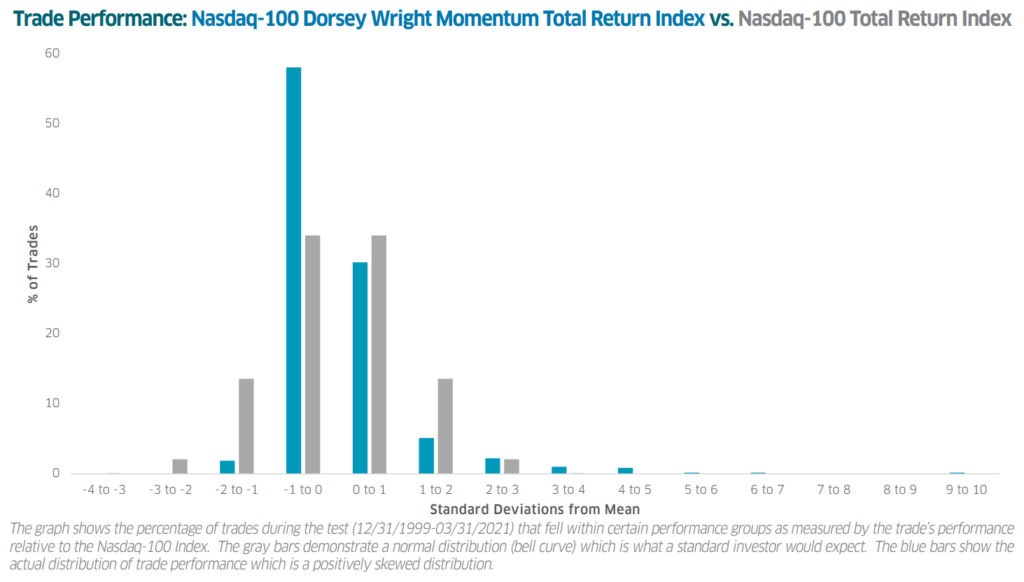
Momentum Investing Strategy: Can It Speed Up FIRE?
Learn how momentum investing works and whether adding trend-following factor funds makes sense for your early retirement plan.
 Investing
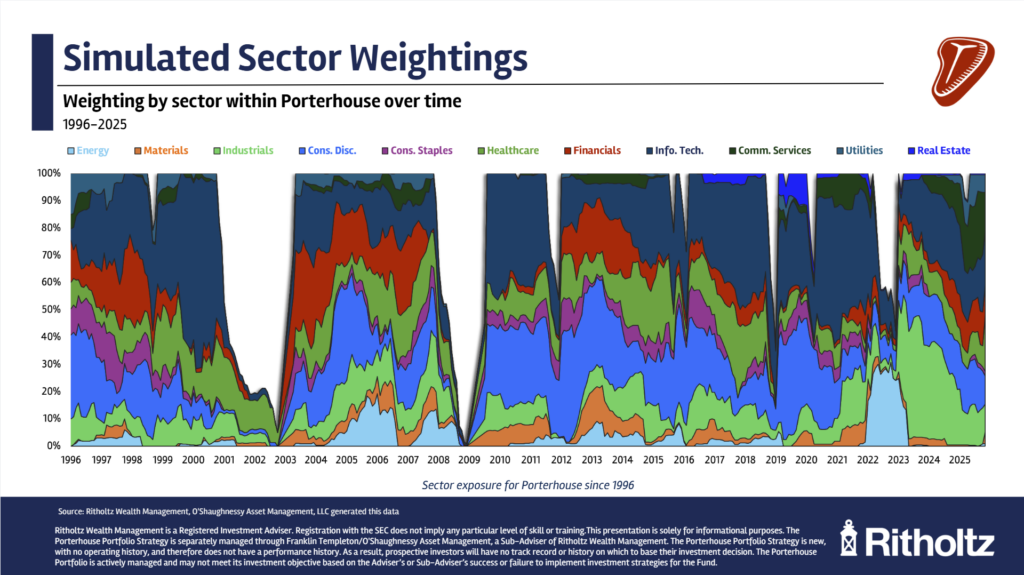
Momentum Investing Strategy: Does It Fit FIRE?
Discover how momentum investing works and whether factor strategies belong in a simple FIRE portfolio.
 Investing
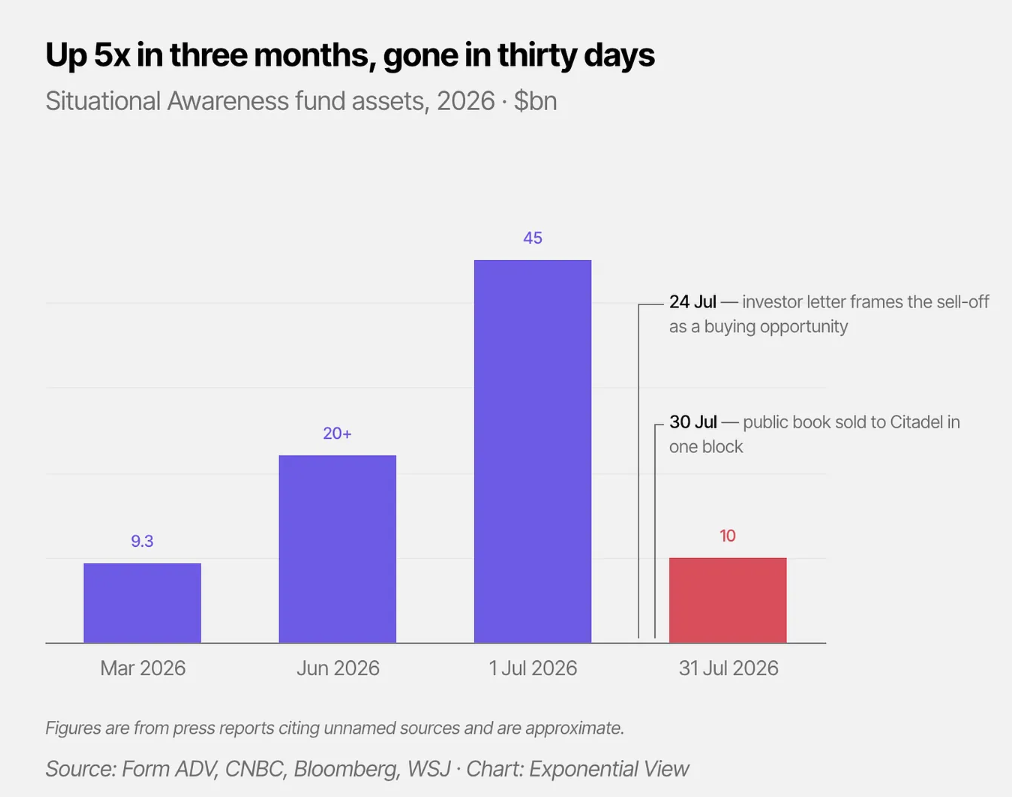
Borrowing Money to Invest: Why Survival Wins in FIRE
Learn why avoiding debt when buying index funds is the safest way to survive market crashes and achieve financial independence.