Borrowing Money to Invest: Why Survival Wins in FIRE
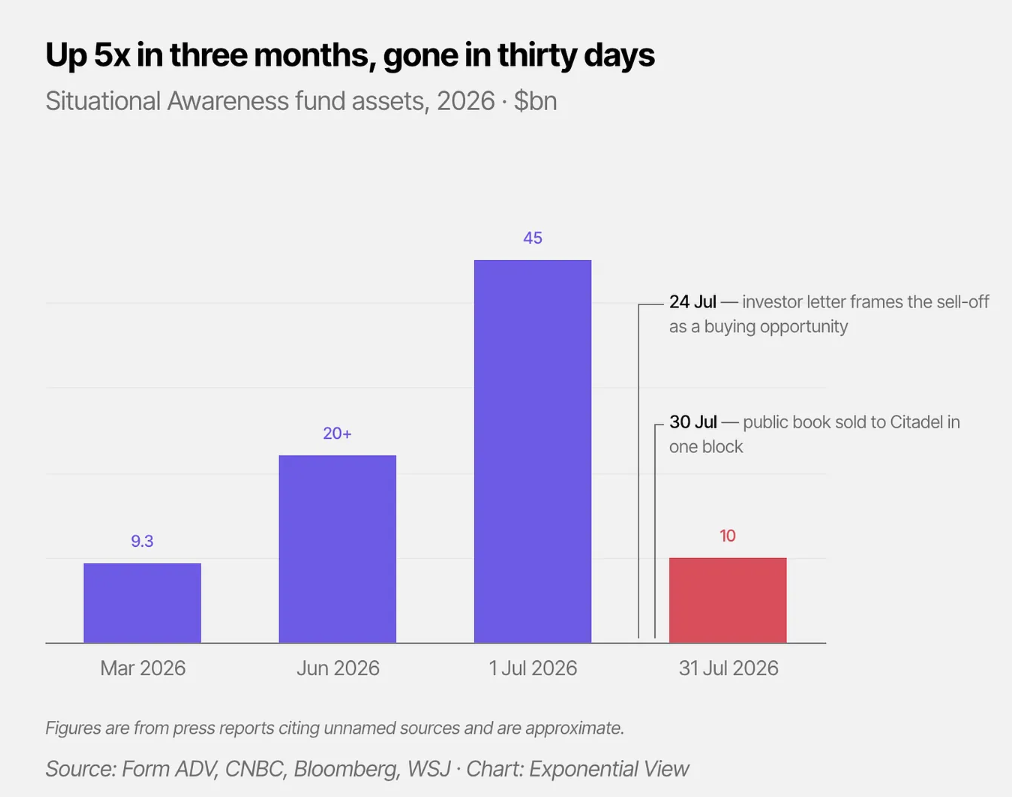
Reaching financial independence quickly sounds great, but borrowing money to invest can wipe out years of hard work in a single market dip. When you build a portfolio for early retirement, surviving market downturns is far more important than trying to maximize every potential return. Staying in the market allows compound growth to do the heavy lifting over time.
Why is borrowing money to invest so risky for FIRE?
Borrowing money to invest adds severe downside risk that can force you to sell assets at the worst possible moment. When you trade on margin or use debt to buy shares, you set up a timer against your own portfolio. Market downturns are completely normal. If you buy stocks with plain cash, a 30 percent market decline is just a temporary loss on paper. You can comfortably hold your shares and wait for the market to bounce back.
When you use borrowed funds, a sharp dip can trigger a margin call. Your broker will demand extra cash immediately to cover the loss. If you do not have extra cash ready, your investments are sold at the very bottom of the slump. That turns a temporary decline into a permanent loss of capital. Margin accounts also charge ongoing interest fees, which creates a continuous drag on your long term investment returns.
To see how steady cash growth builds lasting net worth without taking on debt, check out our guide on low budget wealth building.
The Math Behind Portfolio Wipeouts
Math shows why debt can ruin an otherwise solid retirement plan. If your equity portfolio drops 50 percent, you need a 100 percent gain just to get back to even. Adding debt to that equation makes the recovery math almost impossible. Borrowed capital amplifies losses just as fast as it amplifies gains.
In FIRE planning, consistency matters far more than extreme short term performance. A steady savings rate in basic broad market index funds will consistently beat an aggressive strategy that risks zeroing out your balance. When you eliminate the risk of forced selling, time becomes your biggest advantage.
Should young investors borrow funds to buy stocks?
Young investors should avoid debt funded strategies because unpredictable market crashes can destroy long term compounding before it even starts. Some financial theories suggest young workers should borrow heavily to buy stocks early in life. The thought process claims you have decades of future paychecks to make up for early losses. However, this strategy ignores human behavior and real world market volatility.
Living through a severe market crash with standard index funds is tough enough for most people. Watching a debt backed account balance vaporize creates extreme stress and panic. Most retail investors cannot handle that psychological burden and end up selling out at the bottom. Remember that financial math looks clean on paper, but executing a strategy requires peace of mind. Note that this article is for general financial education, not personalized financial advice, so always review your personal situation before investing.
If you want to track your path to early retirement safely without borrowing money to invest, try our free FIRE calculator to see how steady savings propel your balance over time.
How does market survival protect your early retirement timeline?
Market survival protects your FIRE timeline by guaranteeing that economic panics will never force you out of your investments. The central goal of early retirement is personal freedom and total control over your time. When you hold clean shares of index funds without debt attached, time works in your favor. You can weather bear markets, recessions, and global panics without worrying about liquidation.
Investors who chase fast returns often end up taking step after step backward. High earners frequently fall into this trap by overextending their finances to reach their target numbers faster. Read more about why high earners feel broke when taking on excessive risk.
The Core Pillars of Safe Wealth Accumulation
Building a resilient portfolio requires a simple framework focused on control and steady savings. Here are the core habits that keep your retirement plan on track through any market environment:
- Maintain a reliable emergency fund in high yield savings so you never sell stock during market drops.
- Focus on increasing your monthly savings rate rather than chasing speculative investments.
- Buy low cost index funds that cover broad global markets and hold them through every economic cycle.
- Avoid all forms of margin trading and investment debt.
What happens to FIRE plans during severe market crashes?
During severe market crashes, FIRE plans built on cash and basic index funds survive and thrive by purchasing cheaper shares. When a market downturn occurs, debt free investors can rebalance their assets or keep buying index funds at discount prices. This is how real wealth is accumulated for early retirement. Market panics become buying opportunities rather than financial disasters.
If you use debt during a crash, you become a forced seller instead of a buyer. Forced selling destroys the power of compound growth forever. To figure out how much you actually need saved to reach safety without taking excess risk, read our Coast FIRE calculator guide to calculate your target numbers.
Final Thoughts
Avoiding borrowing money to invest is the single best way to ensure long term market survival on your journey to financial independence. By pairing a strong savings rate with simple index funds, you protect your money and let time build your wealth. Explore our other MyFireMath guides to master the simple habits behind early retirement.
Frequently Asked Questions
Is margin trading safe for long-term index investors?
No, margin trading exposes long-term index investors to margin calls during market dips, which can force asset sales at the bottom.
What is the main danger of using debt to buy stocks?
The main danger is forced liquidation when share prices drop, which locks in temporary paper losses permanently.
How does a high savings rate beat aggressive market strategies?
A high savings rate increases your invested capital without added downside risk, creating reliable wealth growth through index funds.
Why is market survival essential for FIRE?
Market survival ensures your money stays invested long enough for compound growth to create lasting passive income for retirement.
Explore More Investing Guides
 Investing
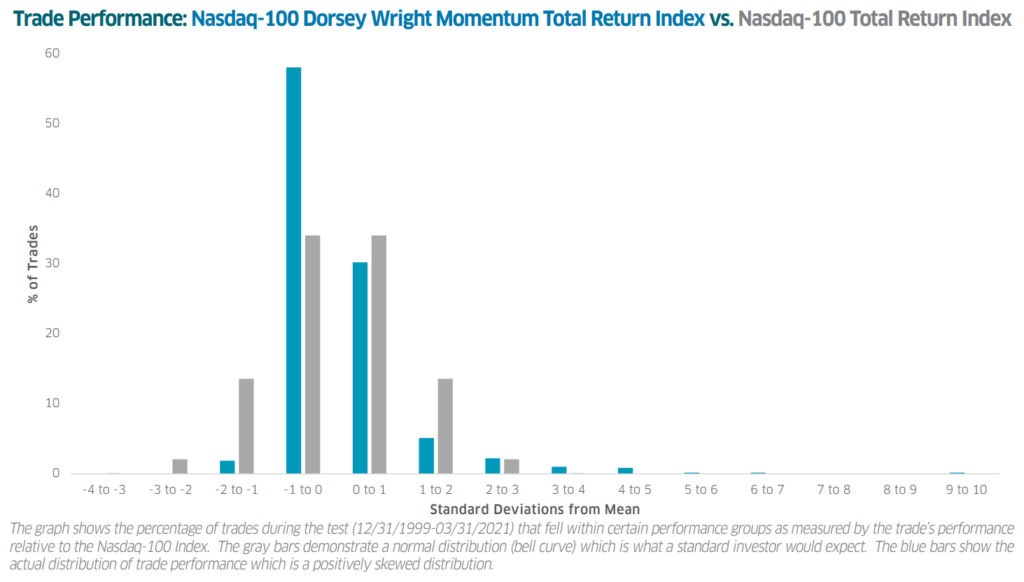
Momentum Investing Strategy: Can It Speed Up FIRE?
Learn how momentum investing works and whether adding trend-following factor funds makes sense for your early retirement plan.
 Investing
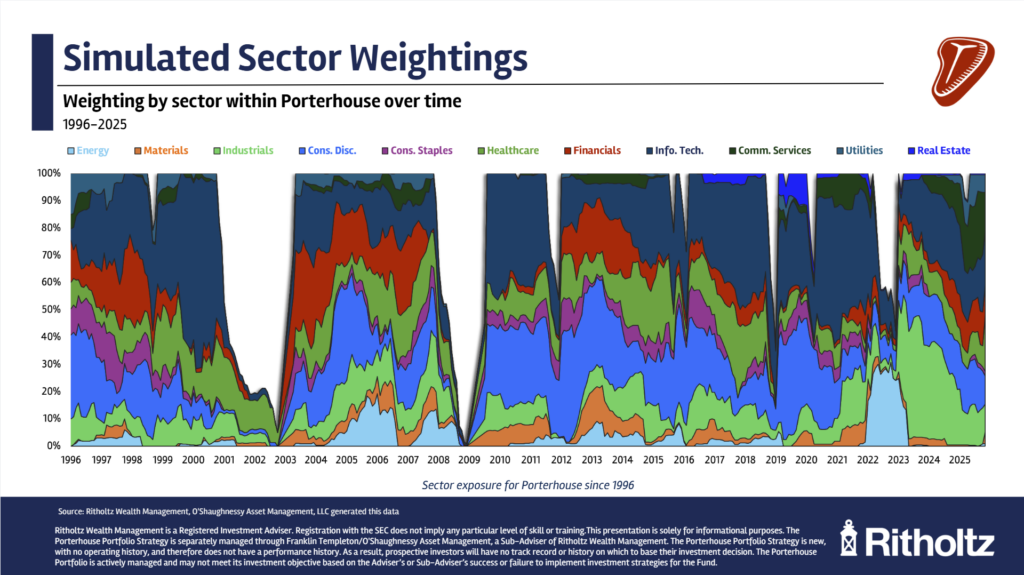
Momentum Investing Strategy: Does It Fit FIRE?
Discover how momentum investing works and whether factor strategies belong in a simple FIRE portfolio.
 Investing
Simplify a FIRE Portfolio: Cut Stress and Retire Faster
Learn how to simplify a FIRE portfolio, cut management fees, and reach financial independence using low-cost index funds.