Momentum Investing Strategy: Can It Speed Up FIRE?
Building wealth for early retirement usually relies on buying simple index funds and holding them for decades. Still, learning about a momentum investing strategy can give you valuable perspective on how market factors drive stock returns over time. Understanding these market forces helps you build a disciplined investment plan that matches your timeline for financial independence.
What Is a Momentum Investing Strategy?
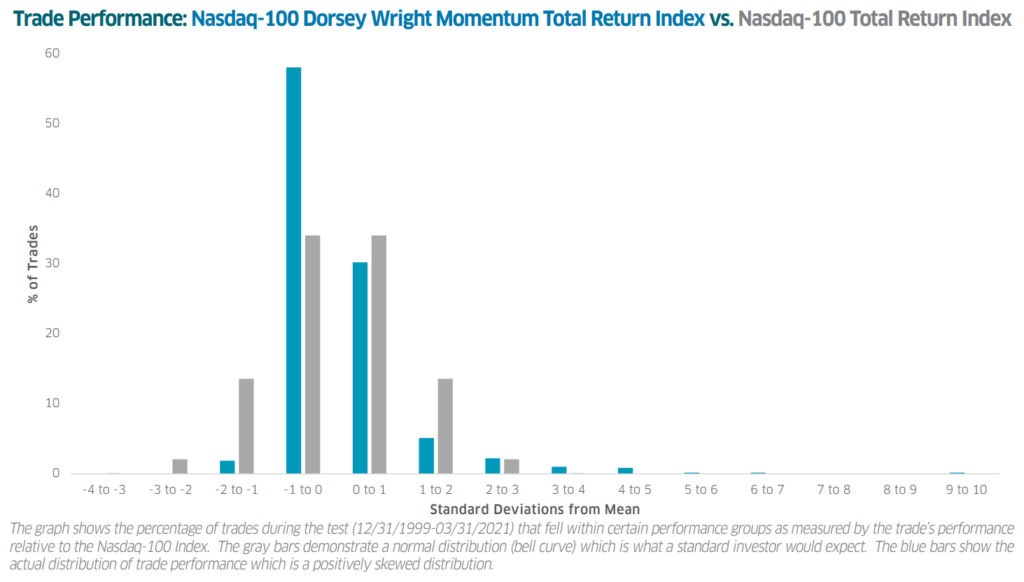
A momentum investing strategy is a systematic investment method that buys assets showing strong recent price gains and avoids or sells assets with poor recent performance. Instead of searching for undervalued companies based on balance sheets, momentum investors assume that recent market winners will continue to outperform in the short to medium term.
This concept relies on the empirical observation that financial trends tend to persist. When a company or market sector starts moving upward, it often keeps moving in that direction for several months. Momentum strategies systematically screen stocks based on past returns, typically looking back over three to twelve months, to capture those ongoing price trends.
For people working toward financial independence, the core idea is simple to observe in real time. Stocks that are rising attract more interest, which propels them higher. Once that upward trend slows down or reverses, momentum managers sell those holdings and rotate into the newest market leaders.
Why Does Momentum Investing Work in the Stock Market?
Momentum investing works because investor behavior and institutional capital flows create predictable delays in how stock prices adjust to new economic information. Financial analysts and everyday investors often react too slowly when a business improves, causing the stock price to drift upward over time rather than jumping instantly to its true value.
Market inefficiencies occur because humans carry cognitive biases that affect trading decisions. When positive news breaks, investors often underestimate the long term impact of that good news. As future earnings reports confirm the growth, more buyers join in, extending the price gain over multiple quarters.
Market Behavior and Investor Psychology
Human emotion plays a massive role in financial market trends. Investors often hesitate to buy a stock right after good news, preferring to wait for further confirmation. As more market participants gradually recognize the strong performance, additional money flows into the stock, creating an extended trend.
In addition, institutional fund managers often practice performance chasing toward the end of reporting periods. When a specific stock or sector dominates financial headlines, big fund managers feel pressure to buy those holdings so their client reports display popular, winning companies. This institutional buying creates a self-fulfilling cycle that keeps prices moving upward longer than standard economic theory suggests.
Another major driver is herding behavior among retail investors. When everyday investors see a specific industry surging, the fear of missing out encourages them to buy in. That influx of retail cash provides continuous buying pressure, keeping the momentum factor active across various market cycles.
How Does Momentum Compare to Standard Index Investing?
Standard index investing tracks an entire market based on company market capitalization, while a momentum approach selects assets specifically for their recent price performance. Most investors pursuing early retirement choose broad market index funds because they provide total market diversification with minimal effort and tiny expense ratios.
When you buy a standard total stock market index fund, you actually hold market winners automatically. As a strong company grows in size, its stock weight naturally increases inside your total index fund. Broad index investing gives you a passive form of momentum without requiring active portfolio trading or higher fund fees.
However, dedicated momentum funds take this concept a step further by over-weighting fast-growing assets and dropping lagging industries completely. While broad index funds hold every company regardless of current price trends, dedicated momentum funds concentrate strictly on the top performers of recent months.
If you want to test how your current index fund contributions affect your retirement timeline, you can test different savings targets with our free FIRE calculator to see your numbers clearly.
What Are the Key Diversification Benefits of Momentum?
The primary diversification benefit of momentum is its ability to perform differently than classic value or defensive investment styles during distinct market phases. Combining complementary factor strategies can help smooth out portfolio volatility over long investment horizons.
Pairing Momentum with Other Strategies
Momentum often excels during strong bull markets when growth stocks lead economic expansion. Value strategies, by contrast, frequently perform best when markets recover from deep recessions or when cheap defensive stocks return to favor. Holding assets that respond differently to changing economic conditions helps protect your net worth against extended periods of market stagnation.
Here are several reasons investors consider factor exposure alongside standard index holdings:
- It offers exposure to high-performing sectors that traditional value metrics might overlook.
- It adapts systematically to shifting market leadership without relying on emotional stock picking.
- It can provide return enhancement during sustained upward market cycles.
- It provides a structural counterweight during periods when broad market gains are concentrated in just a few top industries.
Should You Use Momentum on Your Path to Early Retirement?
Most FIRE investors achieve their best results by keeping their portfolio simple with broad market index funds. Adding focused factor funds can introduce higher portfolio turnover, increased annual expense ratios, and tax inefficiencies inside taxable brokerage accounts.
Before adding specialized investment factors, ensure your core financial setup is solid. Maintaining a high savings rate, controlling monthly expenses, and staying invested during downturns impacts your timeline far more than factor selection. You can read our guide on What Is My FIRE Number? Simple Formula and Steps to establish your exact baseline goal before exploring secondary investing methods.
If you want to experiment with momentum factor funds, keep them inside tax-deferred accounts like a traditional IRA or Roth IRA. That structure ensures that frequent fund rebalancing does not generate taxable capital gain distributions that drag down your investment compounding.
Please note that this article is for educational purposes only and does not constitute personalized financial advice. Always inspect fund factsheets, evaluate expense ratios, and check current tax guidelines before purchasing specialized factor funds.
Here are practical guidelines if you decide to explore factor investing:
- Keep specialty factor funds to a small portion, such as five to ten percent of your total portfolio.
- Place momentum holdings inside tax-advantaged accounts to eliminate taxable rebalancing drag.
- Select low-cost index-based momentum funds rather than expensive actively managed funds.
- Commit to your strategy long term rather than abandoning it during temporary underperformance.
Whether you stick with total market index funds or add factor allocations, keeping your savings rate high remains the ultimate key to achieving early retirement. Learn more about matching your savings target with your personal lifestyle choices in our breakdown of Lean FIRE vs Fat FIRE paths.
Final Thoughts
A well-executed momentum investing strategy demonstrates how market trends and investor behavior influence asset performance over time. While broad market index funds offer the most reliable and low-maintenance path to financial freedom, understanding factor investing helps you remain disciplined through every market environment. Stay focused on increasing your savings rate, keeping fees low, and growing your net worth toward your retirement goals. Take a look at our other MyFireMath guides to keep sharpening your financial strategy today.
Frequently Asked Questions
What is the main idea behind momentum investing?
Momentum investing is based on the concept that assets with strong recent price performance tend to continue performing well in the short term. Investors buy rising assets and sell underperforming ones systematically.
Is momentum investing suitable for long term FIRE portfolios?
Broad total market index funds are generally better for long term FIRE portfolios due to lower fees and tax efficiency. Momentum funds can serve as a small secondary holding inside tax-advantaged accounts.
What is the biggest risk of a momentum strategy?
The biggest risk is a sudden market reversal, where recent winning stocks rapidly fall in price while lagging stocks surge. High turnover can also lead to higher expense ratios and potential tax drag.
How does momentum investing differ from value investing?
Momentum investing buys assets based on strong recent price trends regardless of valuation. Value investing focuses on buying stocks that appear underpriced relative to their underlying fundamental business metrics.
Explore More Investing Guides
 Investing
Momentum Investing Strategy: Does It Fit FIRE?
Discover how momentum investing works and whether factor strategies belong in a simple FIRE portfolio.
 Investing
Borrowing Money to Invest: Why Survival Wins in FIRE
Learn why avoiding debt when buying index funds is the safest way to survive market crashes and achieve financial independence.
 Investing
Simplify a FIRE Portfolio: Cut Stress and Retire Faster
Learn how to simplify a FIRE portfolio, cut management fees, and reach financial independence using low-cost index funds.