
Bonds in a FIRE Portfolio: Should You Buy Bonds?
For years, many people pursuing financial independence kept all their money in 100 percent stocks. Stock index funds built wealth fast, while bond yields sat near rock bottom. But when Treasury yields rise above 5 percent, holding bonds in a FIRE portfolio becomes a smart strategy worth considering.
If you are saving aggressively to retire early, you know that every percentage point matters. When guaranteed yield rises, the trade-off between stock market volatility and fixed income changes. You no longer have to accept near-zero yield just to keep cash safe.
In this guide, we will break down why long-term bond yields are shifting strategies across the FIRE movement. You will learn how fixed income fits into your asset allocation and whether you should adjust your retirement math.
Why Are Stock Investors Suddenly Looking at Bonds?
Higher interest rates mean government bonds now offer predictable returns that compete with conservative stock estimates. For nearly fifteen years, bond yields remained extremely low. Holding bonds meant accepting lower growth than inflation, which forced most early retirement savers into total stock index funds.
When the 30-year Treasury yield crossed 5 percent, that simple equation changed. A guaranteed 5 percent payout without stock market volatility gives investors a strong foundation. It offers steady cash flow without requiring you to sell equities during market drops.
Economic signals can often feel confusing. Job reports might show unexpected employment shifts while unemployment numbers stay low. During periods of economic uncertainty, locking in guaranteed yields helps remove emotion from your financial choices.
Many investors who held 100 percent stock portfolios for a decade are now buying their first bonds. They are not abandoning stocks entirely. Instead, they are taking advantage of high guaranteed rates to protect a portion of their hard-earned capital.
How Do Higher Treasury Yields Affect Your Early Retirement Math?
Higher Treasury yields give early retirees a safer way to generate passive income without relying solely on stock dividends or stock sales. In the financial independence community, your target savings goal usually depends on a four percent safe withdrawal rate. When bond yields exceed five percent, building a sustainable income stream becomes simpler.
When yields are low, your portfolio relies heavily on stock price growth to sustain decades of retirement withdrawals. But high bond yields mean your fixed income portion generates real income on its own. This reduces the total amount of equities you must sell each year to cover living expenses.
It also changes how you calculate risk during your final years of working. Securing guaranteed returns on your safe money shortens the time needed to reach full financial independence. You can lock in income that matches your baseline living expenses, leaving the rest of your money to grow in broader stock index funds.
Understanding Sequence of Returns Risk
Sequence of returns risk is the danger that the stock market suffers a major downturn right after you retire. If you must sell depreciated stock index shares to pay rent or buy groceries, you lock in losses permanently. That damages your portfolio balance and increases the chance of running out of money later in life.
Bonds provide a cash buffer during these down years. If the stock market drops 20 percent, you leave your stock index funds untouched. Instead, you live on incoming bond interest or spend down fixed income principal while waiting for the stock market to recover.
This safety buffer allows your equity holdings time to regain their value without being harvested at the worst possible moment. Having two to five years of living expenses in fixed income dramatically lowers sequence risk for early retirees.
Should You Add Bonds in a FIRE Portfolio Before Retiring?
Adding bonds in a FIRE portfolio before retiring depends on your savings rate, current age, and personal risk tolerance. If you are a decade or more away from early retirement, keeping a heavy stock bias makes sense because stock growth usually beats fixed income over long periods.
However, if you plan to leave your job within the next three to five years, adding fixed income creates a smooth bridge to retirement. It locks in steady income while protecting your nest egg against sudden market crashes right before your target exit date.
You can adjust your asset allocation gradually over time rather than making sudden all-or-nothing moves. Buying treasury bonds or short-term fixed income funds incrementally preserves growth while building safety.
- Review your current timeline to ensure you have enough accumulation time before adding fixed income.
- Compare short-term Treasury bills with 30-year Treasury yields to match your cash needs.
- Keep your portfolio simple by focusing on low-cost index funds rather than individual corporate bonds.
- Remember that this information is for educational purposes only and is not personalized financial advice.
Your total savings rate remains the single most important factor in reaching financial freedom quickly. High fixed yields help preserve money, but consistently saving a large percentage of your income drives your portfolio forward.
Stock Returns vs Bond Yields: How to Decide Your Asset Allocation
Deciding between stocks and bonds comes down to comparing potential stock growth against fixed income stability. Total stock market index funds have historically delivered higher average annual returns over long periods, but they come with uncomfortable price swings.
Bonds trade explosive growth potential for steady, reliable interest payments. When Treasury yields reach historical highs above 5 percent, the gap between risky stock expectations and guaranteed bond returns narrows significantly.
Finding your personal mix requires looking at how you react during stock market drops. If market crashes cause you stress or tempt you to panic sell, adding fixed income helps keep your long-term plan on track.
Balancing Growth and Capital Preservation
During the early phase of your financial independence journey, wealth accumulation is your primary goal. You need the powerful compounding growth of equities to build your initial capital. Stocks remain the best hedge against long-term inflation over multi-decade retirements.
As your net worth reaches higher levels, protecting your existing wealth becomes just as important as growing it. A dramatic market fall right before your target retirement date can delay your plans by years if you hold zero safe assets.
A balanced portfolio holds enough stock index funds to keep pace with inflation while using fixed income assets to cushion downturns. This combination gives you the confidence to hold your equities through entire market cycles.
- Stock index funds drive long-term capital growth and help outpace inflation.
- Treasury bonds protect capital and generate predictable interest income during downturns.
- Combining both assets reduces portfolio volatility without killing your long-term gains.
- Rebalancing once a year lets you buy stocks cheap when markets drop.
Rebalancing is an automated way to buy low and sell high. When stock markets soar, you rebalance profits into bonds. When stocks crash, you move money from bonds back into cheap stock index funds to supercharge your future growth.
Final Thoughts
Deciding whether to hold bonds in a FIRE portfolio depends on your timeline, risk tolerance, and retirement goals. Higher Treasury yields offer early retirees a reliable income option that was missing for over a decade. Explore our other MyFireMath guides today to refine your saving strategy and calculate your exact path to early retirement.
Frequently Asked Questions
Should early retirees hold 100 percent stocks?
While 100 percent stock portfolios offer maximum growth, holding some bonds protects against market crashes right before retirement.
How do Treasury yields affect safe withdrawal rates?
Higher Treasury yields provide predictable income, reducing the need to sell stocks when stock market prices fall.
What is sequence of returns risk in FIRE?
Sequence of returns risk is the danger of experiencing a market crash right after retiring, which can permanently drain your portfolio.
How many years of living expenses should be in bonds?
Many early retirees hold two to five years of living expenses in bonds or cash to avoid selling stocks during downturns.
Explore More Investing Guides
 Investing
Momentum Investing Strategy: Can It Speed Up FIRE?
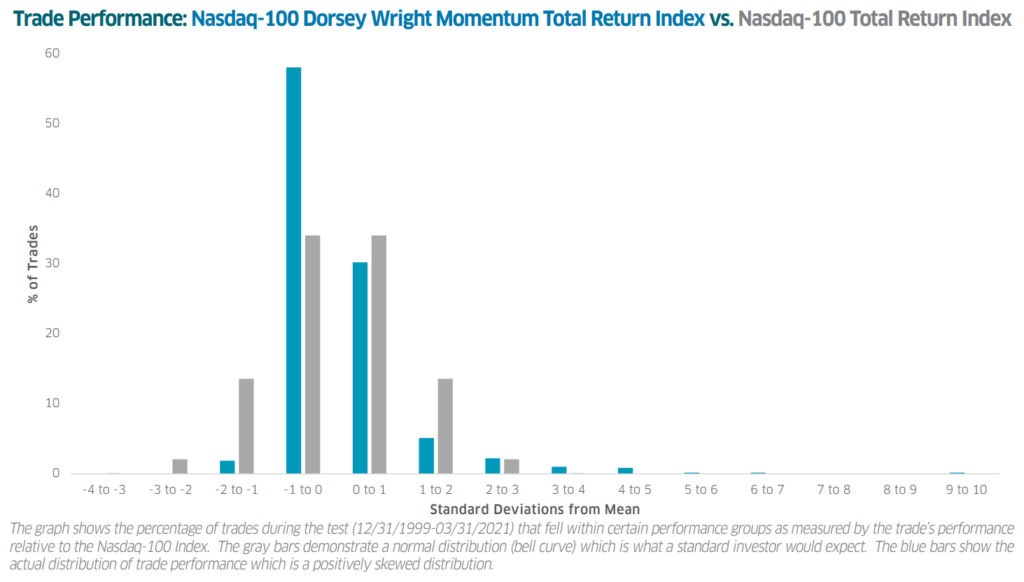
Learn how momentum investing works and whether adding trend-following factor funds makes sense for your early retirement plan.
 Investing
Momentum Investing Strategy: Does It Fit FIRE?
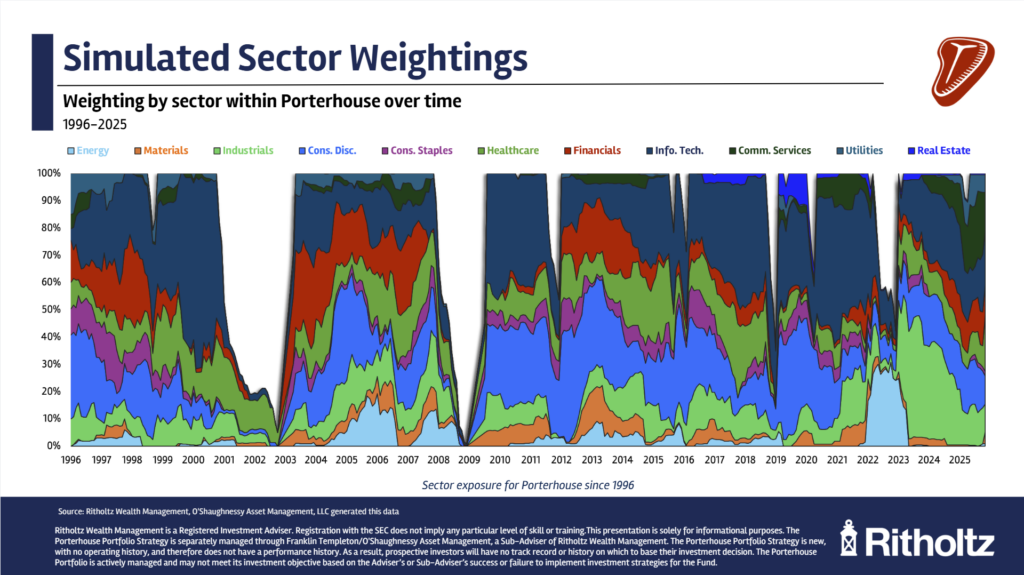
Discover how momentum investing works and whether factor strategies belong in a simple FIRE portfolio.
 Investing
Borrowing Money to Invest: Why Survival Wins in FIRE
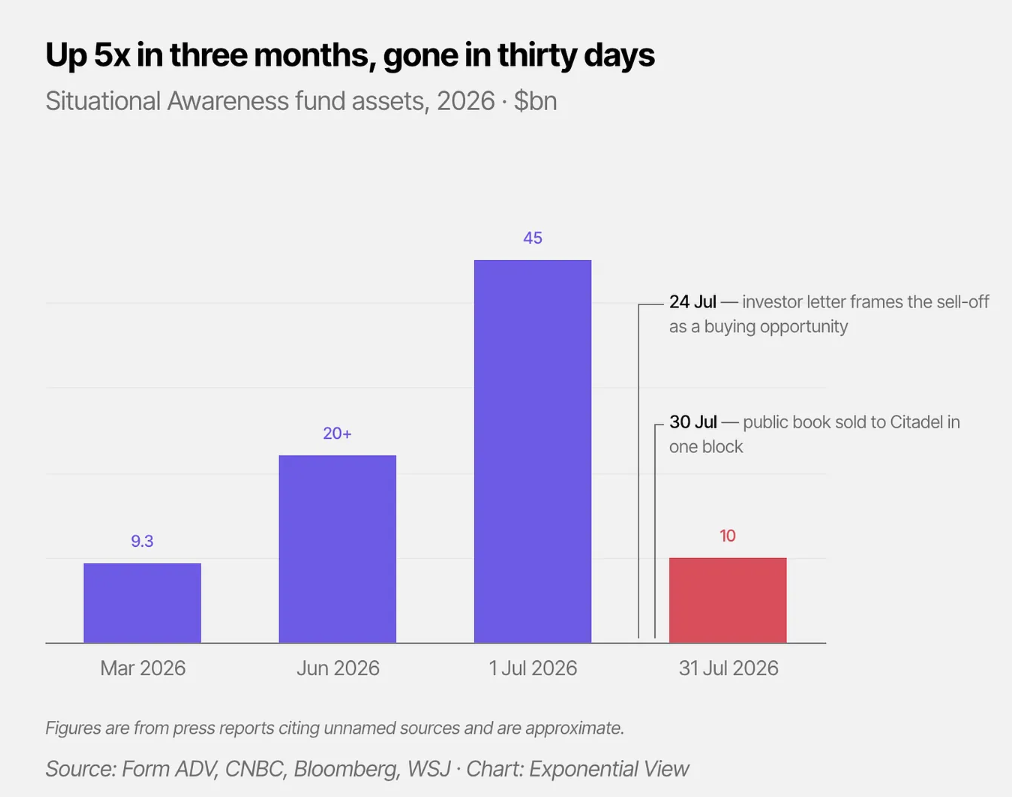
Learn why avoiding debt when buying index funds is the safest way to survive market crashes and achieve financial independence.