Non Monetary Investments: Build a Rich Life Before FIRE
Saving money in low cost index funds is only half of the retirement math equation. True financial independence requires making intentional non monetary investments long before you hand in your final resignation letter. When you view money as a tool to build a fulfilling life rather than the ultimate goal, early retirement becomes far more satisfying.
Building wealth is not just about compounding interest on a balance sheet. If you arrive at early retirement with a large portfolio but poor health and no hobbies, you may find the destination empty. Balancing your finances with non monetary capital ensures you thrive every step of the way.
What Are Non Monetary Investments in Financial Independence?
Non monetary investments are intentional commitments of your time, energy, and attention into areas that improve your quality of life without adding cash to your bank account. These include your physical health, strong relationships, personal skills, and community connections.
In the pursuit of early retirement, many people get caught up tracking every dollar. They optimize their savings rate and analyze market charts for hours every week. While simple index fund investing grows your portfolio, non monetary capital creates the life you actually want to wake up to every morning.
If you reach your target net worth with an exhausted body and no social network, your money will not bring you satisfaction. A truly successful financial plan builds personal life capital right alongside your financial assets.
Why Your Savings Rate Needs Life Investments
Focusing purely on accumulation can lead to burnout and isolation. Pushing your savings rate to extreme levels might look great on a spreadsheet, but if it requires skipping every dinner with friends and ignoring your personal growth, the long term cost is too high.
Learning how much money you need to be happy helps you set reasonable savings targets. When you understand your personal vision of enough, you can stop over saving and start using your time for activities that bring immediate energy today.
What Lessons Can Mortality Teach Us About Early Retirement?
Mortality teaches us that time is our most precious resource, and nobody on their deathbed wishes they had worked extra overtime. Insights from hospice care and funeral planning show that people rarely reflect on their net worth during their final days.
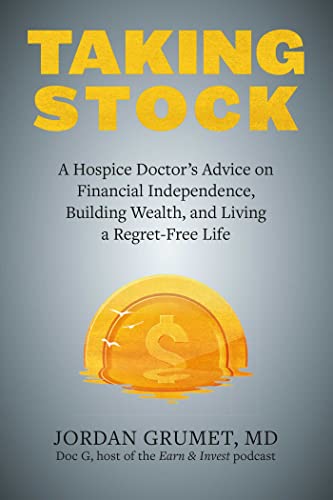
In his writings on end of life care, hospice physician Jordan Grumet shares stories of patients reflecting on their choices. When people look back on their lives, they do not speak about stock market returns or career promotions. Instead, they speak about missed family moments, unmade phone calls, and interests they continually postponed.
When you calculate your timeline using a Coast FIRE target or test your numbers with our free FIRE calculator, keep in mind that time moves in only one direction. Do not defer all your happiness until your nest egg hits a specific milestone. Please remember that this article is created for educational purposes and is not personalized financial advice.
Integrating non monetary investments into your current daily routine ensures that you enjoy the journey toward financial freedom. You get to live a full life right now while your investments compound quietly in the background.
How Do You Balance Portfolio Growth with Non Monetary Assets?
You balance portfolio growth with non monetary assets by spending time and money on personal well being, even if it slightly delays your target retirement date. Financial freedom is about gaining control over your time, not suffering through your best years.
Extreme frugality can drain your energy and make the journey feel like a grind. If spending money on a gym membership or taking a weekend trip with family extends your working career by a few months, that trade is often worth making.
Here are several core non monetary investments that yield massive life returns over time:
- Physical and mental health: Consistent exercise, solid sleep, and good food lower medical expenses and preserve your energy for the future.
- Deep personal relationships: Strong bonds with family and friends protect against loneliness and build a resilient support network.
- Purposeful hobbies: Developing interest in creative pursuits, gardening, or sports gives you structure when you step away from full time work.
- Community involvement: Volunteering and supporting local groups creates social connection that money cannot buy.
High earners often fall into the trap of trading all their waking hours for a bigger paycheck. Understanding why high earners feel broke reveals how lifestyle inflation and stress drain personal satisfaction despite a large income.
What Are the Most Valuable Non Monetary Assets to Build Today?
The most valuable non monetary assets are health, personal relationships, self knowledge, and intentional daily habits. These core pillars create resilience and keep you grounded regardless of market volatility.
Health is the foundation of every long term plan. If your body breaks down, early retirement loses its value. Investing thirty minutes a day into simple movement delivers physical returns that no quarterly dividend payment can match.
Building Strong Social Capital
Social capital is the depth of your personal network and support system. When you transition out of the traditional workforce, you lose the natural social interactions that come with a corporate job. Having strong friendships established before you leave work makes early retirement transition much easier.
Developing personal hobbies long before you quit your day job is just as critical. Exploring creative projects or local clubs gives your weeks regular structure and keeps your mind sharp.
How to Start Making Non Monetary Investments Today
To start making non monetary investments today, audit how you spend your free time and make space for non financial priorities. Treat your personal health and key relationships with the same consistency you apply to your monthly index fund contributions.
Start small by picking one area outside of money to nurture this week. Block off time on your calendar for a workout, reach out to an old friend, or start reading about a topic you have always wanted to explore.
Track your personal well being alongside your regular financial check ins. When you observe gains in your energy levels and personal connections, you will feel far more confident in your overall path to independence.
Final Thoughts
Achieving true independence requires a smart balance of compounding financial returns and strong non monetary investments. Money is simply an instrument to buy back your time, so make sure you build a life you love living once you reach that freedom.
Take time today to evaluate your broader portfolio, and check out our other MyFireMath guides to master the mindset and math behind early retirement.
Frequently Asked Questions
What are non monetary investments?
Non monetary investments are intentional efforts put into personal health, relationships, hobbies, and purpose rather than financial assets.
Why are non monetary assets important for FIRE?
They ensure that once you achieve financial independence, you have a meaningful life and strong support system to enjoy your free time.
How can non monetary investments save you money?
Prioritizing physical health and strong community ties reduces medical bills and lowers the need for expensive entertainment.
Can focusing too much on FIRE hurt your well being?
Yes, extreme frugality can lead to isolation and burnout if you sacrifice health and personal relationships for portfolio growth.
Explore More Money Mindset Guides
 Money Mindset
Low Budget Wealth Building: How to Win Big With Small Capital
Discover how low budget wealth building lets you turn small savings into early retirement with smart math and simple habits.
 Money Mindset
Why High Earners Feel Broke and How FIRE Fixes It
Learn why high incomes often lead to feeling broke and how intentional FIRE habits create real financial peace.
 Money Mindset
How Much Money Do You Need to Be Happy? (FIRE Math)
Learn why spending more money rarely brings more happiness and how testing your budget accelerates your path to early retirement.